From where we live in southeast England it's ridiculously easy to get over to Amsterdam for a long weekend and we recently did just that. Finally, we got to see the remodeled Rijksmuseum - but one of of my best memories, the
of strange and beautiful craft objects jammed together like in a Golden Age Dutch grandee's show-off room, was gone, its inhabitants scattered to more period-appropriate settings around the museum.
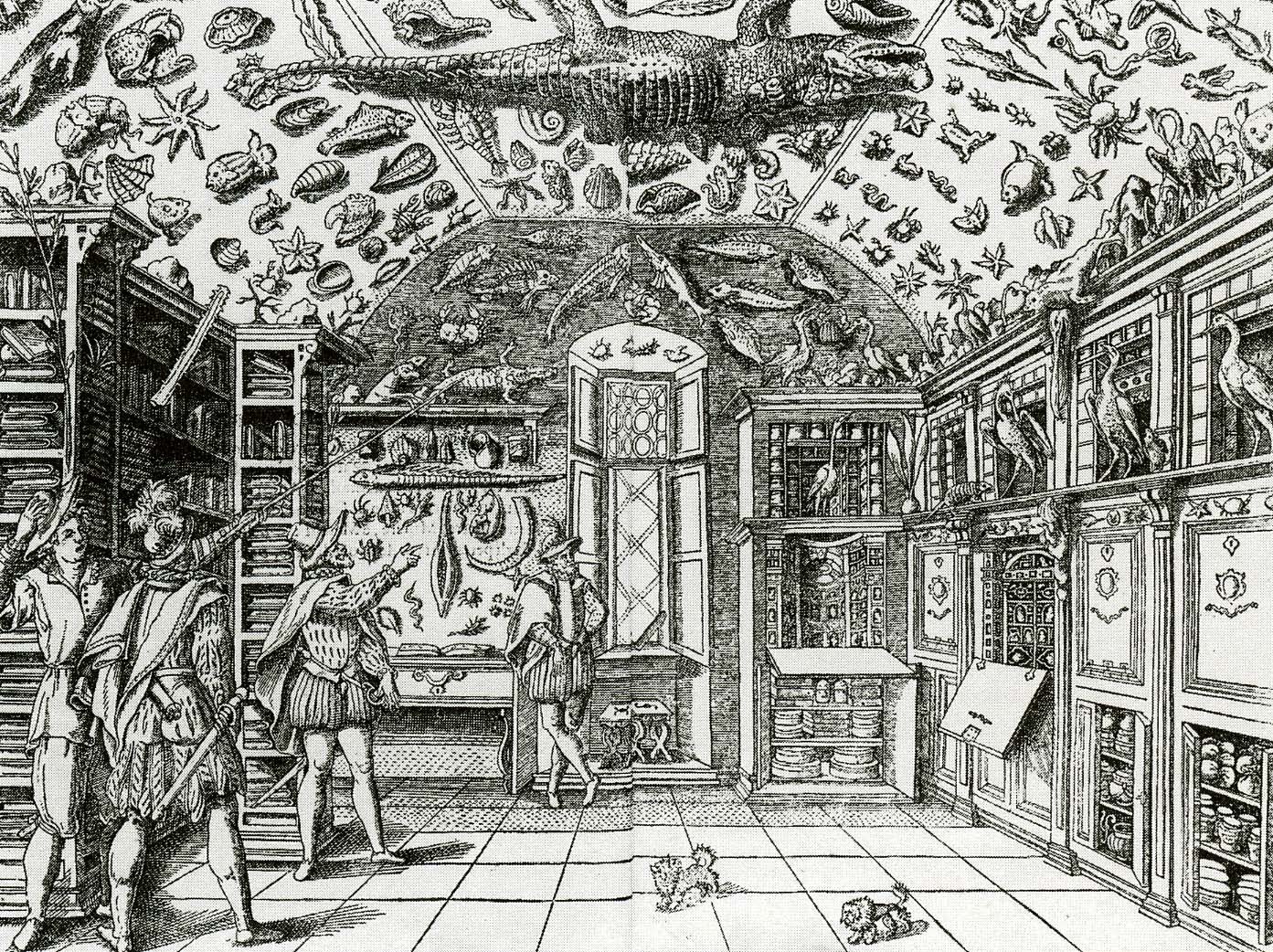
Bah, I say, the best feature of the Rijks is the way it combines arts with crafts, so in one room you'll have Rembrandts on the walls, and some inlaid tables in the middle, with equal recognition of the skill in both. For the benefit of all, through assiduous note-taking on a museum map, I have reconstituted and aggrandized the wunderkammer as a d20 table of those items of treasure most likely to excite the eye of the bounding venturer and to bear subtle enchantments.
1. Bronze figurine of a snake, eating a frog while crushing a mouse, and in turn being bitten by a lizard.
2. Painted oaken carving meant to be suspended from ceiling, of a woman holding a noble coat of arms, with two antlers jutting out behind her like legs or tails.
3. Silver chain of linked quadrangular pieces, each embossed with a civic motif, and a silver bird pendant from the whole; the prize for winning a yearly shooting contest in a company of militia.
4. A book, an illustrated genealogy of 55 noted lords and ladies of the day, each personage depicted in full color with their coat of arms and a few words about their achievements.
5. A bronze aquamanile in the form of a standing, roaring lion, ridden and bitten by a smaller dragon that forms the jug's handle.
6. A "nut" carved of boxwood, a small sphere no more than three fingers' width with a tiny Ecce Homo crowd scene carved within.
7. A ceremonial shield made from a single elk antler, a bordure carved around the edges, and the stump of the antler carved into a knotted boss.
8. A ring fitted with a mechanical flintlock, that can always make a spark without fumbling for flint and steel.
9. A piece torn form the greatcoat of a military hero, in a wooden presentation box inscribed with the hero's name and valorous means of death. Its authenticity may be ascertained by comparing it to one of the many other such pieces in circulation.
10. A silver miniature, no more than thumb's length, of a slaughtered pig splayed on a butcher's frame.
11. Cup made from a nautilus shell, with gold stem and fittings giving it the neck and legs of an ostrich.
12. A diaphanorama; that is, a series of overlaid painted glass panes mounted in a wooden case, and when light is shone through theme a scene is revealed in three dimensions; in this case, the night sack of an ancient city by barbarians, backlit by a roaring palace on fire.
13. A set of twenty painted glass roundels, intended for projection through a "magic lantern" device of candle and lenses, depicting celebrated dwarfs and dwarves of some twenty years ago.
14. A folding harpsichord, small to begin with, with two sections of keyboard and strings that close like the halves of a book.
15. Rosewood case like a miniature chest of drawers, with some twenty very flat drawers, each of which contains three or four historically significant coins, each in its own compartment.
16. Set of four terracotta caryatids, two representing Remorse with hands covering face, two representing Penance with hands tied behind back.
17. Meter-square model of a tropical marketplace, with diverse and colorful stands, entertainers and spectators, all rendered in wood, metal and dried bread dough. Very fragile to transport.
18. Military helmet, allegedly intimidating in a very different cultural context, with two gold leaf vanes like rabbit ears each one over a cubit long, protruding at 45 degree angles from the crown.
19. Stone statue of a goddess, her garment in danger of removal by a pesky monkey, her body marked here and there with nail and tooth indentations from a recent assignation.
20.
Chess set that most will consider to be in poor taste, created in ceramic by the followers of a recently overthrown and near-universally despised would-be world emperor, with pieces showing his troops advancing in triumph and the enemy nations facing them in trepidation, and the names of his enemies inlaid around the edge of the board. Of interest chiefly to covert sympathizers and collectors with a long view of history.